The red bubble on your inbox icon reads 52. It’s 7:02 am. Gulping your coffee, you start wading through the email chaos. You clench your mug – half of these emails are ads for digital marketing services. Finding digital marketing help has been on your to-do list for a week, but more options bring more confusion. How do you choose a digital marketing person or team when you don’t know what digital marketing entails? Can digital marketing be done by one person? More importantly, how is digital marketing even defined? Now your head is spinning with questions you don’t know the answers to. Digital marketing efforts will be postponed another day… or five.
We’re often asked, “what’s the difference between regular marketing and digital marketing? and “is digital marketing social media?” so we decided to break it down. The basic definition of digital marketing is: “the marketing of products or services using digital technologies, mainly on the Internet, but also including mobile phones, display advertising and any other digital medium.”
The main difference between digital marketing and traditional marketing is, of course, the Internet. Digital marketing is on the rise because it is more measurable, targeted and personable than traditional marketing. However, it’s no surprise that many are unsure about the digital marketing process, the roles that are necessary, and how digital marketing can be utilized for business.
Web Design

Developing a website is not included in digital marketing, but digital marketing activities (when done well) drive traffic to your website. If potential customers are directed to your site and cannot find what they need, the digital marketing practices are useless. It is imperative that your website is fully developed before moving forward with digital marketing, so we always recommend beginning with website design.
In today’s noisy landscape, your website is the first impression, portraying your value to visitors. An informative, eye-catching and easy-to-use website is crucial to any business in defining its brand, connecting with customers and influencing buying decisions. Not only does your website need to be effective on a computer, but it must be equally effective on a cell phone or tablet – this is referred to as responsive web design. Mobile traffic makes up nearly 60 percent of all web traffic, so it is crucial for websites to function on various devices. To learn more about our responsive web design services, click here.
Website Optimization

A website cannot be built and left alone. It takes constant testing, examining and measuring to ensure a website is performing effectively. The goal of website optimization is to convert visitors into customers. This may entail moving features around, changing colors or updating information to cater to different people. Website optimization is a perpetual process of educated experimentation. You can track and compare users’ actions, but preferences and features are constantly changing. By optimizing and updating your website, your online presence will never stagnate. Feel free to read more about our optimizing maintenance services.
SEO (Search Engine Optimization)
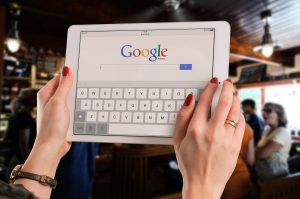
A great website is no use if no one can find it. That’s where SEO comes in. In order for a website to register with search engines like Google, popular keywords must be utilized. The SEO process includes website audits, link building and in-depth keyword analysis to determine which phrases people use when searching for your products or services. SEO requires a trained SEO professional, who sometimes works with the website developer when elemental changes are necessary. Want to read more about SEO? Click here.
SEM (Search Engine Marketing)

PPC (Pay-Per-Click) is the most common form of SEM. PPC is a key-word focused approach used as a form of paid advertising. The advertiser (you) pays the search engine a small fee each time your ad is clicked. When done efficiently, the visit to your website will result in a sale, which outweighs the amount paid to get the consumer there. This form of marketing generates immediate leads and measurable results. If you’re interested in PPC, or other forms of search engine marketing click here.
Display Advertising

Display advertising includes any type of banner ad used on websites, apps or social media that aim to deliver targeted messages. Digital advertising isn’t limited to banner ads, it also includes forms of outdoor advertising. Did you know that digital billboards can tell when it’s raining, and can change the displayed advertisement to fit the forecast? That’s the difference between traditional billboard marketing and digital billboard marketing. Digital marketers utilize ever-changing scenarios and concepts to their benefit – thank you, technology. Display advertising calls for a copywriter and graphic designer.
Social Media Marketing
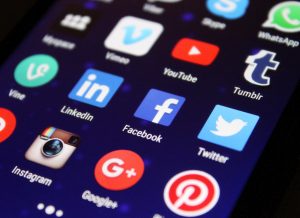
Social media is no longer just a way to chat with your friends – it’s an opportunity to improve your business. Social media is a powerful digital marketing tactic; posting consistent, relevant content will help build a loyal following. Consumers have daily conversations about your industry. The best way for your company to remain at the center of the conversation is to become a part of the conversation. Social media is a forum for conversations, reviews and trending information, and must be constantly monitored. It’s crucial to know that it’s not all about receiving likes. One person can handle social media marketing, but the best work is done when writers, photographers and graphic designers create content together. There’s a lot to understand about social media. Here’s some more information.
Content Marketing

Businesses are continually finding ways to carve a place in the minds and hearts of consumers. The days of using a catchy jingle or a colorful print ad to capture customers are gone. In our digital age, one of the best ways to build trust among consumers is to offer something of value. Creating content (like blogs or video seminars) that solves a problem, entertains or educates consumers will help your business stand out. The content marketing process usually calls for a videographer/photographer, writer and graphic designer. Read on about our content marketing process.
Email Marketing

While email may be one of the oldest forms of digital communication, it also is one of the highest converting mediums. An effective email marketing strategy can connect you to your audience; email marketing software helps you understand your audience’s response so that you can plan your next marketing move. It’s a good way to ensure that specific audience members are receiving important announcements and opportunities. Email marketing is not as simple as just hitting send, the writing, visuals and flow of information must be well-thought-out. More about email marketing can be found here.
Public Relations & Reputation Management

Public relations focuses on storytelling, persuading and maintaining mutually beneficial relationships on clients’ behalf. The goal is to ensure that your business is being positively discussed by the public – both in person and online. PR professionals work to repair the business’s reputation and mend the repercussions if a business has been negatively impacted. When a business takes a hit, it doesn’t take long before it’s being discussed on the internet, making crisis management a digital concept. PR professionals must repair the digital status by pushing down any negative articles or comments in search rankings. This also entails sending custom messages to all stakeholders. Writers, spokespeople and social media managers may make up a PR team. If you need help managing your reputation, here’s a more in-depth look at our process.
Although we’ve discussed each component of digital marketing as separate, it takes a team of digital communication professionals to work together for consistency and success. Our clients utilize our team of graphic designers, content strategists, videographers, PR professionals, website developers and SEO experts for every digital marketing project. The best digital marketing is done as a team with a goal, tone, strategy and audience in mind.
Do you have a clearer understanding of digital marketing services? If not, give us a call to learn more about how we can help advance your business: (813) 908-6862.
You Might Also Like: