How to Build, Maintain & Monitor a Restaurant Brand

Sharing is caring!

Florida has over 40,000 eating & drinking locations. In an increasingly competitive industry, how does your restaurant stand out? There are only so many happy hour specials and ladies’ night contests you can run. Let’s face it, success often comes down to your restaurant’s reputation. To sustain a positive reputation, you must build and maintain an exceptional brand.

FIRST THING’S FIRST: WHAT IS A BRAND?

An early definition of a brand is: “a mark made by burning, stamping, or printing to show ownership or quality.” In today’s restaurant biz, we think of the B word a bit differently, but it is still synonymous with the original meaning. Your brand is a long-lasting label that should communicate who you are and what you do.

Many assume that a brand is merely a logo or tagline, however, this is a rookie mistake. Your brand is made up of many components, tangible and intangible, that create worth for your consumer. This includes the food, service, atmosphere, and values that you consistently put forth. Upholding a brand is like upholding a promise to customers about the type of experience they’re guaranteed. If you can keep this promise, customers will trust that they’ll get what they want, time and time again.

BUILDING A RESTAURANT BRAND

To create a relevant brand concept, you must first define the type of restaurant you are and who you serve. Then you’re ready to choose your mission statement, company values, and brand personality – read about the different brand personalities here – which all directly influence your brand concept. It takes time, and often a team of skilled marketers and businesspeople to form an effective, genuine, and unique brand. Moving forth with business tactics before forming a solid brand concept is risky, so it’s worthwhile to put in the effort.

MAINTAINING A RESTAURANT BRAND

A brand being grown and maintained.

Although establishing a brand can be demanding, maintaining one can be even more difficult because certain aspects are out of your control. Once you’ve defined a specific brand concept, personality, and visual identity, you must:

  • clearly communicate the brand to every employee (after all, they must embody the brand)
  • create and enforce consequences for any employee who is not performing on-brand
  • create and enforce a rewards system for employees who consistently go above and beyond branding standards

This is only the first step in brand maintenance, but it is the most vital. When people eat at your restaurant, they don’t interact with the CEO who developed the brand, they interact with hosts, servers, and managers. Your employees are your main brand representatives, and if they’re not on board, it’s impossible to maintain your brand and uphold your promise to customers.

If you have multiple restaurant locations, maintaining consistency becomes ever more crucial and challenging. Every aspect must be uniform: atmosphere & décor, menus & marketing materials, and all employee processes. This is where technology is advantageous. Whether it’s implementing streamlined training courses, creating a digital a style guide, or utilizing online inventory programs, technology will produce consistency in the back and front of the house.

MONITORING A RESTAURANT BRAND

Once your brand is established and consistently implemented, you may think your job is done – but it’s far from it. Brand management is a constant process that must be regularly monitored for effectiveness and relevancy. As trends, business, and technology evolve, your brand must follow suit. The internet takes branding to a complex level.

It’s essential to stay up to date with your website and search engine rankings. You also must listen to all digital conversations regarding your restaurant, its competition, and related topics. Whether it’s watching engagement on social media, responding to customer reviews, or conducting polls in a mass email to gain feedback, you must somehow ensure that your reputation remains superior.

In an industry as competitive as hospitality, the branding process never ends. If you need assistance creating, maintaining, monitoring, or re-developing your restaurant brand, contact the team of specialists at Absolute Marketing Solutions, or sign up for our E-Newsletter for restaurant marketing resources.

You Might Also Like:

Phoebe

A recent graduate from the University of Tampa, Phoebe brings an understanding of journalism, PR, advertising & branding to the Absolute team. Her extensive customer service and cross-cultural communication experiences give her insights into various perspectives.

More Posts

Here’s How Vegans Affect your Restaurant

Sharing is caring!

Visualize this: a group of five friends, one who is vegan. The group is debating which new restaurant they should try. Chances are, they’ll decide on a restaurant that has vegan options (if they’re decent friends). And there you have it, vegan selections have become the deciding factor for new business.

Keeping Up with the Vegans

Keeping up with trends is vital in every industry, but especially in the fast-paced, survival-of-the-most-mouthwatering, restaurant business. To understand the latest trends, you must listen to your guests’ needs. Gaining feedback can be simple, but using it is another story. For many chefs, it’s difficult to alter menu items based on other’s opinions. This is especially true when it comes to the vegan customer. You may not love vegan dishes, but your business will benefit from being vegan-friendly. The cliché is correct: the (vegan) customer is always right.

According to a 2017 report by GlobalData, “six percent of the U.S. population identifies as vegan, compared to one percent in 2014.”  This 500% increase is no coincidence. Individuals ranging from 18 to 80 are choosing a vegan or vegetarian diet, also known as plant-based diets. (Although referred to as diets, which are often viewed as temporary, vegetarian and vegan diets are almost always long-term, lifestyle choices). These lifestyle choices are mainly due to economic, environmental, and health-related factors, but that’s another blog.

Interestingly enough, many people can’t differentiate between a vegan and a vegetarian diet. So first and foremost, we must get these diets straight.

Seeing Through the Confusion

Vegetarianism:

A vegetarian breakfast

A diet containing no meat…at all. No red meat, chicken, turkey, or pork. Vegetarians don’t even eat fish unless they consider themselves a pescatarian. They will, however, eat eggs, butter, and other dairy products.

Veganism:

Almond milk An even more restrictive diet than the vegetarian, the vegan does not consume any animal products. From eggs to milk, to honey- they do not eat anything containing ingredients from another living thing. The number of substitutions for animal products is increasing; items like almond milk, coconut yogurt, and cashew cheese can replace traditional ingredients.


For example, The Impossible Burger has taken the nation by storm. 190 restaurants in Florida have the plant-based burger on their menu as well as 3,000+ restaurants across the U.S, Hong Kong, and Macau. Impossible Foods continues to partner with restaurants and fast food chains as everyone catches on to the profit potential.

Now that we’re clear on the two plant-based diets and their significance, we can begin to understand how restaurants must alter their dishes to cater to these customers…and why they should. In a city that’s full of restaurants, it has become increasingly difficult to thrive. Offering a variety of menu options for every audience is key to remaining popular and profitable.

Getting Your Menu Right

If your only vegan options include a side of broccoli and a cup of mushroom soup, you’re doing it wrong. You’ll need at least one or two vegan entree options. Consider creating a smaller, vegan/vegetarian menu to make plant-based diners feel welcome. If you don’t want to dedicate precious menu space to solely vegan meals, give options that are modifiable. Plant-based burgers (like The Impossible Burger) are good vegan substitutes for any meat-based dish, just be conscious to use olive oil instead of butter when cooking.

Your menu doesn’t have to go entirely from grass-fed beef to grass itself, but versatility is an enormous factor in customer acquisition and retention. Just because you don’t enjoy vegan dishes doesn’t mean they won’t benefit your brand and bottom line.

If you want to stay in the know, sign up for our E-newsletter. If you want assistance crafting or promoting a vegan-friendly menu, contact us at Absolute Marketing Solutions.

You Might Also Like:

Phoebe

A recent graduate from the University of Tampa, Phoebe brings an understanding of journalism, PR, advertising & branding to the Absolute team. Her extensive customer service and cross-cultural communication experiences give her insights into various perspectives.

More Posts

Building A Website for Your Business: Frequently Asked Questions

Sharing is caring!

Building a website for your business, but finding yourself stuck? It’s no simple task. In a world full of websites, (over 1.8 billion), creating a unique and usable website with relevant content can be daunting to even the most tech-savvy. When generating or re-doing a website, there are a variety of elements to consider ranging from user experience to information hierarchy. If this sounds like a bunch of gibberish, you’re not alone.

How many websites do you visit daily? I can’t keep track on two hands. Nielsen reports that American adults spend over 11 hours a day interacting with media, and a quarter of U.S. adults report being online constantly, but we seldom give thought to the logistics behind the screen. How do websites actually work? When it comes to generating a website for your business, do you know the necessary steps to take? Can you tell an effective site from an ineffective one? Our team has 20+ years of experience designing websites, and we’re here to explain what it takes to build an effective website for your business. We’ll also provide you with examples, so you can see the difference between effective and ineffective web pages for yourself.

1. How are websites created?

From a technical point of view, websites consist of software code (HTML, CSS, JavaScript) that is rendered by web browsers. Although a website can be written entirely in HTML, most websites today are created using a server-side language such as PHP or a Content Management System (CMS) such as WordPress or Drupal. Some simple websites are created using drag and drop tools such as Wix. However, to create more complex websites, you’ll need a skilled, professional website developer.

As for the actual process of creating websites, this can differ based on who is building the website, their experiences and preferences, the size and complexity of the website, and your budget. Most website development processes can be distilled into three phases: design, development, and deployment.

2. How long does it take to create a website?

This is a pretty common question. Most clients want to know how long the project will take before the project begins. The challenge is that developers often have little information about the project before they are asked this question. Some developers will provide a SWAG (Scientific Wild Ass Guess). This isn’t entirely worthless, because the developer is likely an expert and is basing the estimate on their past experience. However, we do not recommend relying on SWAGs and suggest asking for a second estimate after the design process has been completed.

3. What type of content does my website need?

As every organization is different, so too is every website. Your website content depends on your business and your target audience, however, there are a few pages that every website needs such as a home/landing page, an about page, a contact page, and a product/service page.

Besides the type of pages on your website you need, it is important to have clear calls to action throughout your website. Understanding why a visitor has come to a particular page should help you decide on what kind of calls to action will be most successful.

These are just some basic content considerations.  There are hundreds of potential content features to be utilized, from blogs to event calendars, to photo galleries. The more information you give about your business and services, the better. However, the material must be appropriate for your audience and organized deliberately to ensure understanding and accessibility.

4. Why does a website’s structure matter?

Designing a user-friendly website structure is perhaps the most important part of website development. This will positively or negatively affect the overall user experience. Internet surfers typically seek a specific answer or product and may get frustrated if they can’t find what they’re looking for quickly. In fact, users will leave your web page within 10 seconds, unless you clearly communicate your value proposition. This is why it is imperative to optimize the user’s experience by making the content or action they are seeking clear and easy to find. A good user experience means that the customer will stay on your site, and possibly return in the future.

5. What is responsive website design?

Responsive website design changes website appearance based on the device being used to view it. According to Statista, more than 50% of all global web traffic comes from cell phones. Since cell phones are sized differently than desktops and tablets, websites must accommodate varying screen dimensions. Responsive website design does this by shuffling elements around. If done incorrectly, this could negatively affect the user experience from one device to the next. Your site must be programmed to respond to each device so that the user experience stays consistent and straightforward across all mediums.

6. How will my website stand out?

Your site will stand out if it’s easy-to-use, eye-catching, and true to your brand. Forbes recommends to “avoid the natural inclination to make your website about you.” Instead, make it about the consumer/client. Knowing your target audience and how to appeal to them is key in designing a stand-out site. What are your visitors looking for, how can you help them, and what type of content do they enjoy most? Provide users with exactly what they want, and surprise them with material that they don’t even know they want.

7. Should my website be updated?

Technology advances rapidly, so staying aware of the newest updates and trends is necessary to keep your website relevant. Changes in industry and consumer behavior also come into play. By analyzing user patterns and data, it becomes apparent when changes should be made. Our agency re-evaluates & tweaks clients’ sites on a regular basis. We also recommend major updates/site makeovers every two or three years at least.

8. How can I tell if my website is effective?

Regular website maintenance is essential. Developers and marketers must work together to consistently evaluate visitors’ interaction with the site. Are users following through with the call to action? This is known as conversion optimization, and it is the primary way to tell if your website is efficient. For the best outcome, work with a full-service digital marketing agency, so you can discuss goals and implement marketing strategies from the start. This way, the website developer will work directly with the marketers who define objectives and tactics for the site.
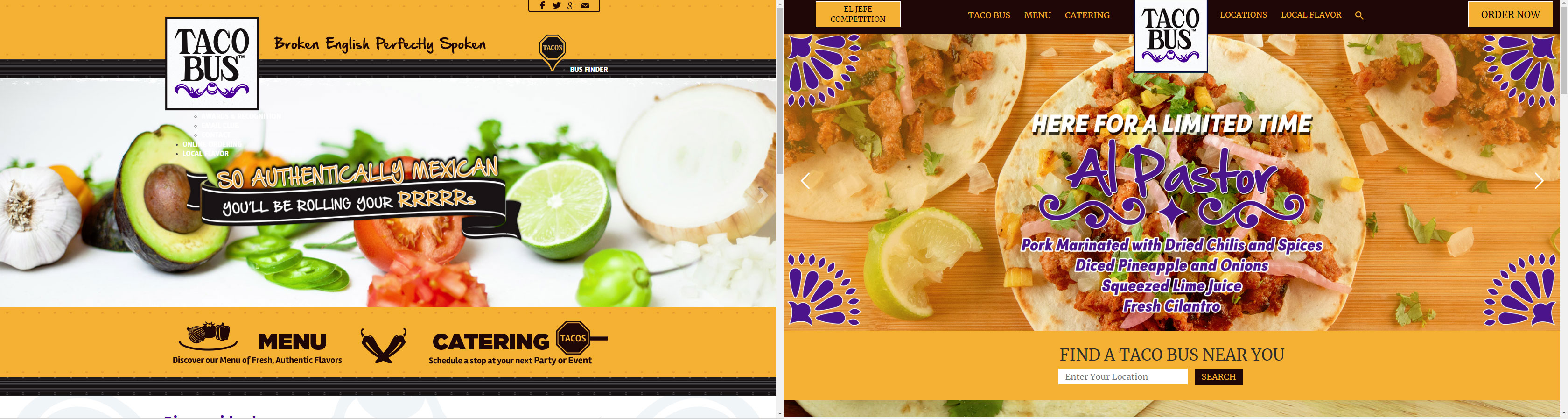
Your website is a vital communication tool that must convey your brand’s message effectively. If built, monitored, and maintained well, potential consumers will be more likely to engage with your brand. Check out these examples of website makeovers to see what Absolute can do for you.

A before and after image of Anthony & Partners’ website A before and after image of Taco Bus’ website

You Might Also Like:

Phoebe

A recent graduate from the University of Tampa, Phoebe brings an understanding of journalism, PR, advertising & branding to the Absolute team. Her extensive customer service and cross-cultural communication experiences give her insights into various perspectives.

More Posts