
Brand Archetypes – The Explorer

What is The Explorer Archetype

As a small business owner, understanding your brand archetype is essential. One archetype that often gets overlooked is the Explorer. The Explorer brand archetype is all about adventure, exploring the unknown, and having the freedom to chart your own course. If your business aligns with these values, embracing the Explorer archetype could be a game-changer for your brand. By tapping into this adventurous spirit, you can connect with your audience on a deeper level and stand out in a crowded market. Whether you’re a travel company, a small outdoor gear store, or a startup looking to take risks and innovate, embodying the Explorer archetype can help you differentiate your brand and build a loyal following. So, if you’re ready to blaze a trail and conquer new frontiers, consider how the Explorer archetype can elevate your brand and help you achieve your goals.

Strengths of The Explorer Archetype

Explorer brands embody a sense of adventure, curiosity, and independence. They encourage their customers to step out of their comfort zone and explore new territories, whether it be a physical location or a personal challenge. These brands embrace the unknown and instill a sense of excitement and possibility in their customers. The strength of the Explorer archetype is its ability to inspire and motivate individuals to take action and pursue their passions. Through their messaging and marketing campaigns, Explorer brands encourage individuals to break free from the mundane and seek out new experiences. They provide a sense of purpose and a clear direction for those who are seeking to discover the world around them.

Challenges of The Explorer Archetype

The Explorer brand archetype is one of adventure and risk-taking, but with that comes a unique set of challenges. Firstly, it can be difficult to maintain a clear brand identity and message when constantly exploring new territories and experiences. Another challenge is staying relevant and authentic while avoiding the stereotypical tropes often associated with adventure and exploration. It’s also important to balance the excitement of the adventurous spirit with the practicalities of running a successful business. But with the right mindset and strategic planning, the Explorer archetype can bring great rewards and a sense of daring innovation to any brand.

How to Leverage the Explorer Archetype in Your Brand

Are you longing for adventure and exploration in your life? Well, you’re not alone. The Explorer archetype is one of the most dominant personality traits out there. Why not leverage this characteristic in your brand to connect with your audience on a deeper level? By embracing the Explorer tone of voice, you’re telling your customers that you’re not just about selling products or services; you’re about experiencing life. You’re willing to take risks, push the limits, and explore the unknown. By highlighting your brand’s adventurous spirit, you can inspire and motivate your audience to join you on a journey of discovery. So, take the road less traveled, and let your Explorer persona take the lead. Your brand will thank you for it.
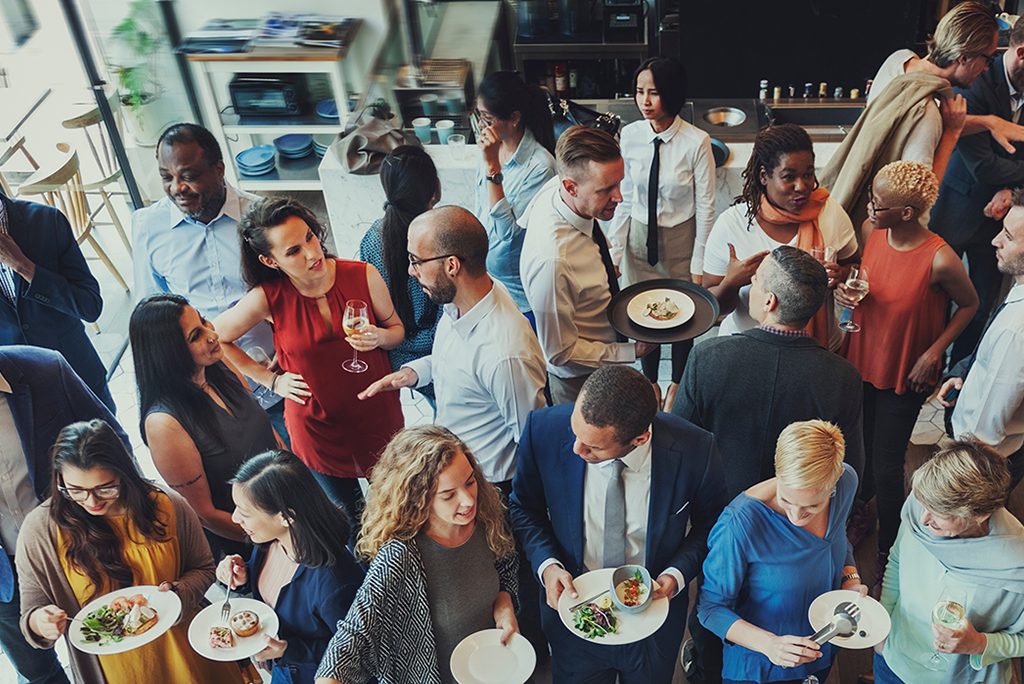

How Local Influencers Can Help Your Restaurant Reach New Customers

As a restaurant owner, you know that word-of-mouth is one of the best ways to attract new customers. And what better way to get people talking about your business than by enlisting the help of local influencers?

Influencers are social media users with a large following who can help spread the word about your restaurant to their followers. But how do you go about finding and working with local influencers? In this blog post, we’ll give you some tips on how to get started.

Why local influencers are essential for small businesses

Local influencers can be incredibly powerful when it comes to helping local restaurants thrive. This is because they understand the local market and have relationships with local customers that a business might need help to access. These local connections give local influencers the unique ability to promote products or services within the local area, allowing restaurants to reach out to more customers and potentially increase their customer base in a relatively short period of time. Ultimately, local influencers can accelerate the growth of small businesses and make them more successful by connecting them with the local customers they need to succeed.

How to find the right local influencer for your business

Finding the right local influencer for your business can be daunting. First, it’s important to consider what kind of reach you’re aiming for and which particular audience you hope to target. It’s also important to research potential influencers, focusing on the type and quality of content they produce, as this will serve as a strong indicator of how successful you may be with working with them. Once you have narrowed down your choices, reaching out and getting in touch is best—establishing a personal connection can often lead to deeper collaborations. Local influencers have proven an invaluable resource for many small businesses looking to grow their reach, so don’t underestimate the power of networking!

What kind of content to create with your local influencer

Working with a local influencer effectively allows restaurants to grow their reach and further engage with new and existing customers. When brainstorming content to create with a local influencer, it’s important to think about creative ways that bring awareness of your business to their followers and highlight why you’re the ideal choice for customers in the area. For example, a powerful post could be having the influencer tell their story:

  • How they use your product or service in their life.
  • What motivated them to work with you.
  • What makes your product or service so much better than others?

Or make it interactive by showing how delighted they are when introducing a giveaway exclusive to their followers. Whatever you decide on, remember that it should authentically represent who you are as a business!

How to measure the success of your campaign

Measuring the success of your campaign is essential to understanding where improvements may be needed or how well things are going. With local influencers helping your restaurant grow, it’s important to track their success so you can evaluate the value they bring. Engagement metrics such as likes, comments, and shares are among the most measurable ways to gauge this type of campaign’s effectiveness. Additionally, monitor website analytics and any customer feedback related to the influencer you’re working with. This insight gives you more details on how people engage with your brand and can help you understand what content performs best for future campaigns.

If you’re a restaurant owner, it’s time to start harnessing the power of local influencers. These everyday people can help promote your products or services to their friends and followers, giving your business the boost it needs to grow. But how do you find the right local influencer for your business? And what kind of content should you create with them? At Absolute Marketing Solutions, we have the answers to all of your questions. We’ll work with you to develop a customized plan that fits your budget and meets your marketing goals. So contact us today, and let’s get started on growing your small business into a big success!

Restaurant

A restaurant is an establishment which prepares and serves food and drink to customers in return for money, either paid before the meal, after the meal, or with a running tab. Meals are generally served and eaten on premises, but many restaurants also offer take-out and food delivery services. Restaurants vary greatly in appearance and offerings, including a wide variety of the main chef’s cuisines and service models.

You Might Also Like:

Miné Salkin

Miné Salkin is a multimedia producer with a specialty in marketing, tech writing and digital storytelling.

More Posts

Social

The term social refers to a characteristic of living organisms as applied to populations of humans and other animals. It always refers to the interaction of organisms with other organisms and to their collective co-existence, irrespective of whether they are aware of it or not, and irrespective of whether the interaction is voluntary or involuntary.

You Might Also Like:

Miné Salkin

Miné Salkin is a multimedia producer with a specialty in marketing, tech writing and digital storytelling.

More Posts

Media (communication)

Media (singular medium) are the storage and transmission channels or tools used to store and deliver information or data. It is often referred to as synonymous with mass media or news media, but may refer to a single medium used to communicate any data for any purpose.

You Might Also Like:

Miné Salkin

Miné Salkin is a multimedia producer with a specialty in marketing, tech writing and digital storytelling.

More Posts

Ripoff Report

Ripoff Report is a privately owned and operated for-profit website founded by consumer advocate Ed Magedson. The Ripoff Report has been online since December 1998 and is operated by Xcentric Ventures, LLC which is based in Tempe, Arizona. Ed Magedson is the site’s current Editor-in-Chief.

You Might Also Like:

Miné Salkin

Miné Salkin is a multimedia producer with a specialty in marketing, tech writing and digital storytelling.

More Posts

Online and offline

The terms “online” and “offline” (also stylized as “on-line” and “off-line”) have specific meanings in regard to computer technology and telecommunications. In general, “online” indicates a state of connectivity, while “offline” indicates a disconnected state. The concepts have however been extended from their computing and telecommunication meanings into the area of human interaction and conversation, such that even offline can be used in contrast to the common usage of online.

You Might Also Like:

Miné Salkin

Miné Salkin is a multimedia producer with a specialty in marketing, tech writing and digital storytelling.

More Posts

Defamation

Defamation—also called calumny, vilification, traducement, slander (for transitory statements), and libel (for written, broadcast, or otherwise published words)—is the communication of a statement that makes a claim, expressly stated or implied to be factual, that may give an individual, business, product, group, government, religion, or nation a negative or inferior image.

You Might Also Like:

Miné Salkin

Miné Salkin is a multimedia producer with a specialty in marketing, tech writing and digital storytelling.

More Posts