What Restaurant Owners Must Know About Marketing

Sharing is caring!

Have you ever tried baking a cake with flour alone? Exactly. Just like the best recipes cannot be made with a single ingredient, the best restaurant marketing strategy cannot be executed with a single tactic.

With abundant information and hundreds of channels to utilize, marketing can overwhelm even the most experienced business owners. So it’s not surprising that restaurateurs are often confused about the most essential elements of marketing and how to implement them. If you want to successfully market your restaurant, it is necessary to understand the full marketing picture, also known as The Marketing Mix.

Since the 1960’s, marketing professionals have used The Marketing Mix as a managerial teaching method. The Marketing Mix describes the different aspects of a business that, when controlled, ensure customer needs are met. One of the first tasks in restaurant marketing is analyzing the restaurant based on this model. This is the first step in moving from an ad-hoc approach based on hunches to a strategic approach based on data. In this blog, we’ll discuss the 7 P’s that comprise The Marketing Mix and how you can effectively leverage your restaurant.

1. PRODUCT: what you’re selling.

restaurant product

A restaurant’s product goes beyond food. Product includes atmosphere, cleanliness, quality, and all other aspects of the customer experience. Think about each want and need of the customer so you can provide them with the experience they are looking for.

Ask yourself: What features, advantages or benefits do your products and services provide? What types of vendors are being used? Does your product align with your atmosphere? Are products and services being looked at objectively?

There is much to consider about what you’re offering. A quality product/experience is the most fundamental element of The Marketing Mix and without it, all else fails.

Think I’m exaggerating? Think again.

2. PRICE: the amount people are willing to pay.

menu prices

Prices are always up for examination. It is vital to understand what type of restaurant you are: counter service, casual service, fine dining? The price of food is directly impacted by the style and stature of the restaurant.

Ask yourself: What type of restaurant do you have? What are your competitors charging? How do prices align with the current market?  How much is spent on resources and production? How much is the overall experience worth?

Price and quality coincide: prices must complement what is being offered. With a fluctuating marketplace, sometimes prices must decrease and sometimes prices must increase. Be open-minded and consider what the target consumers are willing to pay, what exactly they’re paying for, and if it’s reasonable.

Not sure where to start? Here is some advice on how to set appropriate prices.

3. PLACE: where the product or service is located.

Convenience is king, and customers will not go out of their way just to get in the door. Your product or service must be easily accessible to customers. Place also refers to outside placement and distribution.

Ask yourself: How convenient is your restaurant? Is there a central location and is it crowded? What is the parking like?  Can the products be delivered directly? Do we sell at a market or festival? Where are we advertising?

For more information on choosing the right location, click here.

4. PROMOTION: various elements like advertising and PR.

Promotion depends on the brand, product, and target audience in order to attract the desired customer base. Ranging from billboard ads to events, to social media, appropriate promotion methods are vital. Set a consistent tone for all promotional messaging that will resonate with the intended customer and evoke action.

Ask yourself: What discounts and specials are offered? Are promotions relevant, unique, and true to company values? What times of day are promotions occurring? What other social events are happening and how can these events be used advantageously? Lastly, are the promotional activities measurable?

Effective promotion depends on understanding the customer, the community, and the restaurant’s benefits. If promotional activities and messages are executed consistently with these aspects in mind, the brand will grow itself.

Here are tips to measure your restaurant’s promotional success.

5. PEOPLE: restaurant employees.

The product is linked to those who make and serve it; restaurant employees often define the customer experience.

Ask yourself: Are employees well-trained? Do they know the menu thoroughly? How do they interact with guests? Do they understand the company values and positively portray the brand?

Restaurant service is reproducible, but company culture sets service apart. A connected, communicative team is crucial in maintaining a hospitable environment and positive reputation.

Want advice on training employees? Look no further.

6. PROCESS: the efficiency of your restaurant.

Efficiency in the front and back of the house impact customer experiences and your brand. No one likes to wait around excessively; the customer must enjoy their experience from the second they enter the restaurant to the second they leave. A timely process is a part of what the guest is paying for and is what will keep them coming back for more.

Ask yourself: Do employees strive for efficiency? Are restaurant technologies up-to-date? Are there clear procedures put in place to ensure the consistent delivery of food and beverage? What is the standard wait time for each dish? Do staff know how to handle a customer complaint?

Answering these questions will lead to consistent timing and customer service, which are equally as important as product quality.

Do you need extra info on how to establish sound processes? You’re welcome.

7. PHYSICAL EVIDENCE: how inviting your restaurant is.

Physical evidence can be interchanged with the physical environment. Physical evidence is not only the appearance of the restaurant, but the look of your packaging, branding, and even the way the employees present themselves. Physical evidence is every surrounding detail.  Make it a point to regularly look around your restaurant and take it all in.

Ask yourself: What is the restaurant’s atmosphere? What is the vibe? How does the ambiance differ from day to night? How is the interior design affecting guests? What types of reviews are coming in? How does the food packaging represent the restaurant? What is the employee uniform like? What does food look like when it’s plated?

This will all be directly impacted by comfort, cleanliness, music, speed-of-service, and overall attention to detail.

Looking to improve your restaurant atmosphere? Look here for suggestions.

Marketing is frequently misinterpreted as an exclusively external process. The Marketing Mix shows why you must also control internal factors for marketing success. Advertising (one promotional marketing element) tells consumers why they should choose you, but the comprehensive Marketing Mix shows consumers firsthand why they should return. Marketers can only effectively do their job when there is sufficient understanding of The Marketing Mix. Products, prices, places, promotions, people, processes, and physical evidence must be regularly monitored by restaurant managers and owners. If you need further clarification on The Marketing Mix or any other restaurant marketing assistance, contact us at Absolute Marketing Solutions.

You Might Also Like:

Phoebe

A recent graduate from the University of Tampa, Phoebe brings an understanding of journalism, PR, advertising & branding to the Absolute team. Her extensive customer service and cross-cultural communication experiences give her insights into various perspectives.

More Posts

9 Reasons Why Your Restaurant Needs Public Relations

Sharing is caring!

“If I was down to my last dollar, I’d spend it on public relations,” – Bill Gates

Whether you were a fan of Entourage or Sex and the City, you’re probably familiar with television’s version of a publicist. Often portrayed as glamourous party planners and snarky celebrity wranglers, the importance of publicists and the public relations industry can be easily misunderstood. The reality is, PR is essential for any business, especially a restaurant.

What is Public Relations?
Public relations is the art of reputation management. PR professionals are experts at storytelling, persuading, and maintaining mutually beneficial relationships on clients’ behalf. A publicist’s main goal is to ensure that their clients are being positively portrayed and discussed. Marketing strategists argue that PR is the most effective way to build a brand. When it comes to restaurants, brand recognition is paramount. To produce buzz about your restaurant you need good word of mouth marketing, which is a direct result of effective PR.

Understanding public relationsUnderstanding public relations

9 Aspects of PR That Will Optimize Your Restaurant’s Marketing Efforts:

  1. The foundation of PR is understanding. Publicists will work hard to understand every nuance of your business in order to accurately and usefully tell your story.
  2. PR generates news coverage, which boosts credibility and visibility for your restaurant.
  3. PR professionals have authentic relationships with media professionals, guaranteeing repeated media coverage – not just one and done.
  4. Publicists know what’s newsworthy, and what’s not. If your restaurant doesn’t have something newsworthy to offer, PR professionals can help generate something that is.
  5. PR pros are writers at heart. They’re always willing to help craft messages to represent your brand.
  6. PR specialists monitor and amend all negative attention (like bad customer reviews). They are experts at transforming unhappy customers into brand ambassadors.
  7. In the PR world, social media is taken seriously. From the photo to the message, to the time of day, each post is thoughtful and strategic.
  8. PR is not just about getting on the news, it’s about understanding industry trends and utilizing relevant social influencers. By implementing blogger programs, so-called “citizen journalists” will promote your restaurant to their specific audiences.
  9. All forms of coverage attained through PR are more sincere and less costly than traditional advertising.

Investing in public relations is investing in your brand. This list encompasses only the basics; PR services are highly strategic, in-depth, and targeted to specific business needs. If your restaurant needs help communicating with specific audiences, creating campaigns, or managing a crisis, then PR is a must.

If you want to discuss the PR possibilities for your restaurant or business, contact us today.

You Might Also Like:

Phoebe

A recent graduate from the University of Tampa, Phoebe brings an understanding of journalism, PR, advertising & branding to the Absolute team. Her extensive customer service and cross-cultural communication experiences give her insights into various perspectives.

More Posts

Creating the Right Culture for your Restaurant

Sharing is caring!

We all remember the sitcom Cheers, set in a Boston bar where “everybody knew your name.” Many of us have a restaurant or bar in which we feel at home. Something about the place brings us back time and time again. We may not be able to put our finger on it, but the reason is likely culture. It has been long understood that culture attracts customers. What has been less understood is how to cultivate a culture that works profitably for your restaurant.

WHAT IS CULTURE?

A buzzword as of late, the definition of culture is not always made clear. We believe that culture is the foundation of your brand and the way you demonstrate your values to both employees and customers. Culture can be good or bad; it is a purposeful, or accidental, representation of the interactions in your restaurant. Creating a valuable culture is more than a marketing tactic, it can impact every aspect of your business and stand the test of time. Culture involves everything from a restaurant’s vision and concept, to its language and style, and once established effectively has been proven to increase employee engagement, customer service, and profits- not marginally, but considerably.

WHY DOES CULTURE MATTER?

According to restaurant marketing specialist Alfred Goldberg, “culture influences how people make decisions as it establishes how we do things and why. Whether it’s a big strategic decision or an everyday task, culture ensures that everyone knows what is expected of them.” Culture, brand, and service coincide, together dictating the types of people that walk through the doors and whether or not they will return. It doesn’t matter how mouthwatering your food is, if your culture doesn’t shine, interest from employees and patrons will decline. According to a Gallup report, engaged employees are more likely to improve customer relationships, which results on average in a 20% increase in sales. Happy, engaged employees lead to happy, engaged, repeat customers. Now that we’ve established the importance of the right culture, let’s talk about creating it.

HOW CAN YOU CREATE THE RIGHT CULTURE?

Culture should be established by the highest level of authority; it is only effective when personified by owners and employees alike. According to Chris Edmonds, a best-selling author and culture expert, “leaders must create a culture where values – how people treat each other – are as important as results, every day.” Edmonds advises defining the desired culture by creating an organizational constitution. The constitution should detail the most important standards of service and behavior that support the restaurant’s overall purpose.

HOW CAN YOU RETAIN THE RIGHT CULTURE?

Defining the desired culture is the easy part. The hard part is upholding all choices and actions to your original standards. Keep culture in mind from the start; hire and fire based on your organizational constitution. Since it can be so challenging to develop the right culture, when a restaurant does so, people are quick to take notice. One Tampa-based restaurant corporation that has done so is Ciccio Restaurant Group.

CICCIO RESTAURANT GROUP CULTURE

If you’re in Tampa, you know Ciccio Restaurant Group. CRG began as one restaurant, with one concept, and a well-defined culture. Now, with ten different restaurants and counting, CRG has spread throughout Florida, with varying concepts, but the same culture that they started with. Senior Brand + Training Director, Tara O’Neill, described their culture with us in an interview:
Tara O’Neill

Describe your company culture in 3-5 words.
“Open-minded, imaginative, collaborative, approachable, generous.”

How are your employees impacted by your culture? How are your guests?
“First and foremost, I have to respectfully make a correction here… we don’t have employees. By definition, an employee is a person that is merely employed for wages or salary. We have a team. Our purpose as a team is to come together to achieve a common goal. What is our goal? Bringing great, affordable, real food to our communities.
Our team members are impacted by our culture every day. Our culture is one that not only accepts people as they are…we celebrate them… just as they are. In whatever form and from whatever walk of life, we believe that everyone has something unique to contribute. Part of our role is to help put them in a position where they feel passion, purpose, and where they can excel. When our team feels happy and inspired, that translates to our guests. And, we feel like our guests DO feel it. Particularly here in our home market of Tampa, the synergy along Howard Ave is amazing. It’s not always the norm that a restaurant group has fans. And, we feel so grateful and humbled by the fact that we do. It’s not something we take for granted. Not even for one day.”

How do you ensure that all CRG stakeholders are positively affected by culture?
“So, one of the things we pride ourselves on being is a company of partners. And this doesn’t just mean a bunch of outside investors. This means real partners in our locations, operating our restaurants and engaging daily with our teams and guests. Most, if not all, of our general managers are actually partners in our locations with shared ownership. Because of our collaborative nature, we want them to have a voice. And, because they are truly business owners, they have the opportunity to share in the wealth of all of our successes. Our team members are some of our most important stakeholders. We want to provide a place for our team members to grow, excel, and be able to build long-term wealth.”

Would you agree that CRG has created a positive reputation based on the culture?
“Absolutely! I think that we have been so fortunate not only in our home market of Tampa but in other markets that we’ve expanded to because of the deep-rooted culture in our team members that live it. We rely on them to carry the torch no matter where they work. And from a community perspective, part of our culture means continuing to pay our gratitude forward by giving back as much as we can.”

How does your culture keep a competitive edge? How do you keep everyone continuously engaged?
“Culture in and of itself to us isn’t about having a competitive edge. It’s about remaining true to who we are, and through our evolution, never forgetting to stay grounded and remember our reason. One of the biggest things we look for when we hire is whether or not the team member seems to be a cultural fit. That’s one of the most important things we can do from a recruiting standpoint. When people align with our values, the engagement happens organically. And from there, we just continue to nurture and celebrate the partnership.”

Although there is no single path to generating a culture that turns employees and customers into loyal fans, looking at successful brands like those owned by Ciccio Restaurant Group can offer some valuable lessons. Culture encompasses purpose, customer service, attitudes, and values, and it is up to the leaders of the company to decide what type of culture they want to put forth and how. These leaders must do more than decide, they must hold themselves accountable as equal team members and consistently act based on the values set.

We hope these tips help to ensure that your restaurant has the right culture. If you’d like more information on restaurant culture or how to align your culture with your digital marketing, sign up for our E-newsletter or contact us directly at Absolute Marketing Solutions.

You Might Also Like:

Phoebe

A recent graduate from the University of Tampa, Phoebe brings an understanding of journalism, PR, advertising & branding to the Absolute team. Her extensive customer service and cross-cultural communication experiences give her insights into various perspectives.

More Posts

How to Build, Maintain & Monitor a Restaurant Brand

Sharing is caring!

Florida has over 40,000 eating & drinking locations. In an increasingly competitive industry, how does your restaurant stand out? There are only so many happy hour specials and ladies’ night contests you can run. Let’s face it, success often comes down to your restaurant’s reputation. To sustain a positive reputation, you must build and maintain an exceptional brand.

FIRST THING’S FIRST: WHAT IS A BRAND?

An early definition of a brand is: “a mark made by burning, stamping, or printing to show ownership or quality.” In today’s restaurant biz, we think of the B word a bit differently, but it is still synonymous with the original meaning. Your brand is a long-lasting label that should communicate who you are and what you do.

Many assume that a brand is merely a logo or tagline, however, this is a rookie mistake. Your brand is made up of many components, tangible and intangible, that create worth for your consumer. This includes the food, service, atmosphere, and values that you consistently put forth. Upholding a brand is like upholding a promise to customers about the type of experience they’re guaranteed. If you can keep this promise, customers will trust that they’ll get what they want, time and time again.

BUILDING A RESTAURANT BRAND

To create a relevant brand concept, you must first define the type of restaurant you are and who you serve. Then you’re ready to choose your mission statement, company values, and brand personality – read about the different brand personalities here – which all directly influence your brand concept. It takes time, and often a team of skilled marketers and businesspeople to form an effective, genuine, and unique brand. Moving forth with business tactics before forming a solid brand concept is risky, so it’s worthwhile to put in the effort.

MAINTAINING A RESTAURANT BRAND

A brand being grown and maintained.

Although establishing a brand can be demanding, maintaining one can be even more difficult because certain aspects are out of your control. Once you’ve defined a specific brand concept, personality, and visual identity, you must:

  • clearly communicate the brand to every employee (after all, they must embody the brand)
  • create and enforce consequences for any employee who is not performing on-brand
  • create and enforce a rewards system for employees who consistently go above and beyond branding standards

This is only the first step in brand maintenance, but it is the most vital. When people eat at your restaurant, they don’t interact with the CEO who developed the brand, they interact with hosts, servers, and managers. Your employees are your main brand representatives, and if they’re not on board, it’s impossible to maintain your brand and uphold your promise to customers.

If you have multiple restaurant locations, maintaining consistency becomes ever more crucial and challenging. Every aspect must be uniform: atmosphere & décor, menus & marketing materials, and all employee processes. This is where technology is advantageous. Whether it’s implementing streamlined training courses, creating a digital a style guide, or utilizing online inventory programs, technology will produce consistency in the back and front of the house.

MONITORING A RESTAURANT BRAND

Once your brand is established and consistently implemented, you may think your job is done – but it’s far from it. Brand management is a constant process that must be regularly monitored for effectiveness and relevancy. As trends, business, and technology evolve, your brand must follow suit. The internet takes branding to a complex level.

It’s essential to stay up to date with your website and search engine rankings. You also must listen to all digital conversations regarding your restaurant, its competition, and related topics. Whether it’s watching engagement on social media, responding to customer reviews, or conducting polls in a mass email to gain feedback, you must somehow ensure that your reputation remains superior.

In an industry as competitive as hospitality, the branding process never ends. If you need assistance creating, maintaining, monitoring, or re-developing your restaurant brand, contact the team of specialists at Absolute Marketing Solutions, or sign up for our E-Newsletter for restaurant marketing resources.

You Might Also Like:

Phoebe

A recent graduate from the University of Tampa, Phoebe brings an understanding of journalism, PR, advertising & branding to the Absolute team. Her extensive customer service and cross-cultural communication experiences give her insights into various perspectives.

More Posts

Here’s How Vegans Affect your Restaurant

Sharing is caring!

Visualize this: a group of five friends, one who is vegan. The group is debating which new restaurant they should try. Chances are, they’ll decide on a restaurant that has vegan options (if they’re decent friends). And there you have it, vegan selections have become the deciding factor for new business.

Keeping Up with the Vegans

Keeping up with trends is vital in every industry, but especially in the fast-paced, survival-of-the-most-mouthwatering, restaurant business. To understand the latest trends, you must listen to your guests’ needs. Gaining feedback can be simple, but using it is another story. For many chefs, it’s difficult to alter menu items based on other’s opinions. This is especially true when it comes to the vegan customer. You may not love vegan dishes, but your business will benefit from being vegan-friendly. The cliché is correct: the (vegan) customer is always right.

According to a 2017 report by GlobalData, “six percent of the U.S. population identifies as vegan, compared to one percent in 2014.”  This 500% increase is no coincidence. Individuals ranging from 18 to 80 are choosing a vegan or vegetarian diet, also known as plant-based diets. (Although referred to as diets, which are often viewed as temporary, vegetarian and vegan diets are almost always long-term, lifestyle choices). These lifestyle choices are mainly due to economic, environmental, and health-related factors, but that’s another blog.

Interestingly enough, many people can’t differentiate between a vegan and a vegetarian diet. So first and foremost, we must get these diets straight.

Seeing Through the Confusion

Vegetarianism:

A vegetarian breakfast

A diet containing no meat…at all. No red meat, chicken, turkey, or pork. Vegetarians don’t even eat fish unless they consider themselves a pescatarian. They will, however, eat eggs, butter, and other dairy products.

Veganism:

Almond milk An even more restrictive diet than the vegetarian, the vegan does not consume any animal products. From eggs to milk, to honey- they do not eat anything containing ingredients from another living thing. The number of substitutions for animal products is increasing; items like almond milk, coconut yogurt, and cashew cheese can replace traditional ingredients.

For example, The Impossible Burger has taken the nation by storm. 190 restaurants in Florida have the plant-based burger on their menu as well as 3,000+ restaurants across the U.S, Hong Kong, and Macau. Impossible Foods continues to partner with restaurants and fast food chains as everyone catches on to the profit potential.

Now that we’re clear on the two plant-based diets and their significance, we can begin to understand how restaurants must alter their dishes to cater to these customers…and why they should. In a city that’s full of restaurants, it has become increasingly difficult to thrive. Offering a variety of menu options for every audience is key to remaining popular and profitable.

Getting Your Menu Right

If your only vegan options include a side of broccoli and a cup of mushroom soup, you’re doing it wrong. You’ll need at least one or two vegan entree options. Consider creating a smaller, vegan/vegetarian menu to make plant-based diners feel welcome. If you don’t want to dedicate precious menu space to solely vegan meals, give options that are modifiable. Plant-based burgers (like The Impossible Burger) are good vegan substitutes for any meat-based dish, just be conscious to use olive oil instead of butter when cooking.

Your menu doesn’t have to go entirely from grass-fed beef to grass itself, but versatility is an enormous factor in customer acquisition and retention. Just because you don’t enjoy vegan dishes doesn’t mean they won’t benefit your brand and bottom line.

If you want to stay in the know, sign up for our E-newsletter. If you want assistance crafting or promoting a vegan-friendly menu, contact us at Absolute Marketing Solutions.

You Might Also Like:

Phoebe

A recent graduate from the University of Tampa, Phoebe brings an understanding of journalism, PR, advertising & branding to the Absolute team. Her extensive customer service and cross-cultural communication experiences give her insights into various perspectives.

More Posts

Building A Website for Your Business: Frequently Asked Questions

Sharing is caring!

Building a website for your business, but finding yourself stuck? It’s no simple task. In a world full of websites, (over 1.8 billion), creating a unique and usable website with relevant content can be daunting to even the most tech-savvy. When generating or re-doing a website, there are a variety of elements to consider ranging from user experience to information hierarchy. If this sounds like a bunch of gibberish, you’re not alone.

How many websites do you visit daily? I can’t keep track on two hands. Nielsen reports that American adults spend over 11 hours a day interacting with media, and a quarter of U.S. adults report being online constantly, but we seldom give thought to the logistics behind the screen. How do websites actually work? When it comes to generating a website for your business, do you know the necessary steps to take? Can you tell an effective site from an ineffective one? Our team has 20+ years of experience designing websites, and we’re here to explain what it takes to build an effective website for your business. We’ll also provide you with examples, so you can see the difference between effective and ineffective web pages for yourself.

1. How are websites created?

From a technical point of view, websites consist of software code (HTML, CSS, JavaScript) that is rendered by web browsers. Although a website can be written entirely in HTML, most websites today are created using a server-side language such as PHP or a Content Management System (CMS) such as WordPress or Drupal. Some simple websites are created using drag and drop tools such as Wix. However, to create more complex websites, you’ll need a skilled, professional website developer.

As for the actual process of creating websites, this can differ based on who is building the website, their experiences and preferences, the size and complexity of the website, and your budget. Most website development processes can be distilled into three phases: design, development, and deployment.

2. How long does it take to create a website?

This is a pretty common question. Most clients want to know how long the project will take before the project begins. The challenge is that developers often have little information about the project before they are asked this question. Some developers will provide a SWAG (Scientific Wild Ass Guess). This isn’t entirely worthless, because the developer is likely an expert and is basing the estimate on their past experience. However, we do not recommend relying on SWAGs and suggest asking for a second estimate after the design process has been completed.

3. What type of content does my website need?

As every organization is different, so too is every website. Your website content depends on your business and your target audience, however, there are a few pages that every website needs such as a home/landing page, an about page, a contact page, and a product/service page.

Besides the type of pages on your website you need, it is important to have clear calls to action throughout your website. Understanding why a visitor has come to a particular page should help you decide on what kind of calls to action will be most successful.

These are just some basic content considerations.  There are hundreds of potential content features to be utilized, from blogs to event calendars, to photo galleries. The more information you give about your business and services, the better. However, the material must be appropriate for your audience and organized deliberately to ensure understanding and accessibility.

4. Why does a website’s structure matter?

Designing a user-friendly website structure is perhaps the most important part of website development. This will positively or negatively affect the overall user experience. Internet surfers typically seek a specific answer or product and may get frustrated if they can’t find what they’re looking for quickly. In fact, users will leave your web page within 10 seconds, unless you clearly communicate your value proposition. This is why it is imperative to optimize the user’s experience by making the content or action they are seeking clear and easy to find. A good user experience means that the customer will stay on your site, and possibly return in the future.

5. What is responsive website design?

Responsive website design changes website appearance based on the device being used to view it. According to Statista, more than 50% of all global web traffic comes from cell phones. Since cell phones are sized differently than desktops and tablets, websites must accommodate varying screen dimensions. Responsive website design does this by shuffling elements around. If done incorrectly, this could negatively affect the user experience from one device to the next. Your site must be programmed to respond to each device so that the user experience stays consistent and straightforward across all mediums.

6. How will my website stand out?

Your site will stand out if it’s easy-to-use, eye-catching, and true to your brand. Forbes recommends to “avoid the natural inclination to make your website about you.” Instead, make it about the consumer/client. Knowing your target audience and how to appeal to them is key in designing a stand-out site. What are your visitors looking for, how can you help them, and what type of content do they enjoy most? Provide users with exactly what they want, and surprise them with material that they don’t even know they want.

7. Should my website be updated?

Technology advances rapidly, so staying aware of the newest updates and trends is necessary to keep your website relevant. Changes in industry and consumer behavior also come into play. By analyzing user patterns and data, it becomes apparent when changes should be made. Our agency re-evaluates & tweaks clients’ sites on a regular basis. We also recommend major updates/site makeovers every two or three years at least.

8. How can I tell if my website is effective?

Regular website maintenance is essential. Developers and marketers must work together to consistently evaluate visitors’ interaction with the site. Are users following through with the call to action? This is known as conversion optimization, and it is the primary way to tell if your website is efficient. For the best outcome, work with a full-service digital marketing agency, so you can discuss goals and implement marketing strategies from the start. This way, the website developer will work directly with the marketers who define objectives and tactics for the site.
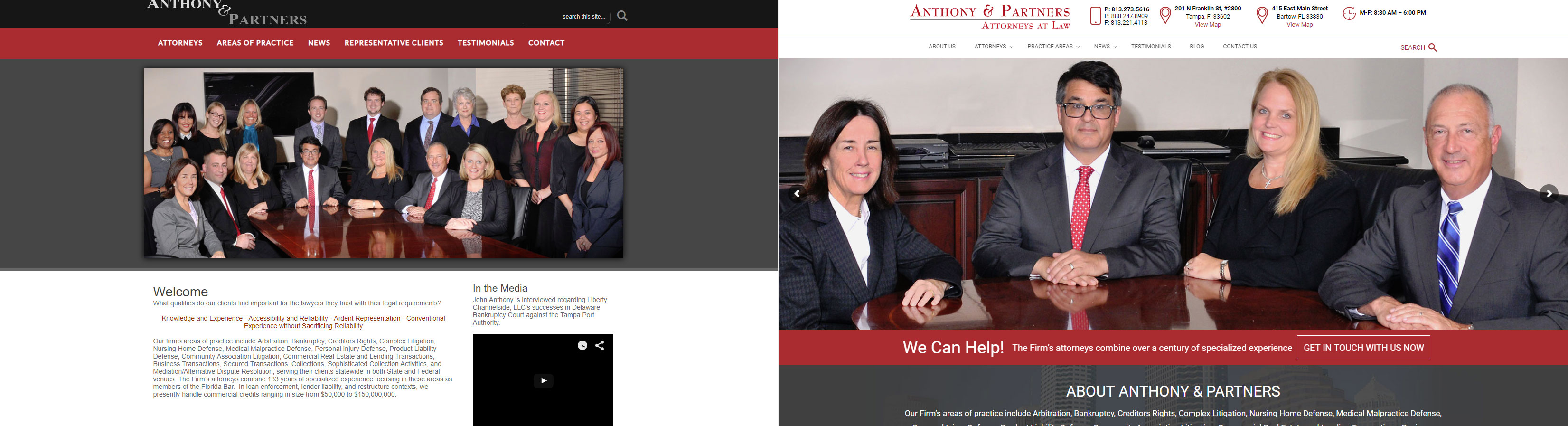
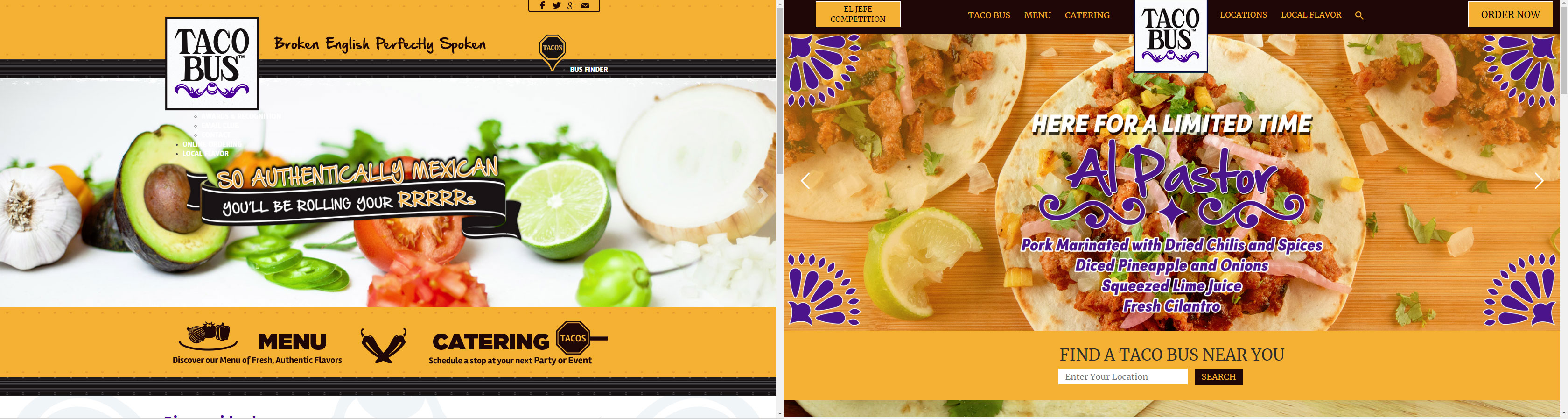
Your website is a vital communication tool that must convey your brand’s message effectively. If built, monitored, and maintained well, potential consumers will be more likely to engage with your brand. Check out these examples of website makeovers to see what Absolute can do for you.

A before and after image of Anthony & Partners’ website A before and after image of Taco Bus’ website

You Might Also Like:

Phoebe

A recent graduate from the University of Tampa, Phoebe brings an understanding of journalism, PR, advertising & branding to the Absolute team. Her extensive customer service and cross-cultural communication experiences give her insights into various perspectives.

More Posts

Discussing Digital Marketing Acronyms

Sharing is caring!

Have you heard the terms SEO, SEM, or PPC being used casually in a business meeting or conversation? It’s easy to nod along, never admitting that you don’t know what these acronyms mean. That’s okay. We’ve compiled a list that explains what these basic marketing terms, so you can feel empowered to use them and make informed business decisions. 

seo_acronym

SEO 

SEO stands for search engine optimization. Effective SEO gradually improves the online visibility of a website or brand through organic, or unpaid, results. SEO involves processes like keyword research and link building. A focused SEO strategy can increase the quality and quantity of incoming traffic to certain website pages. Google, Yahoo, and Bing are the most significant search engines in western countries and they operate using algorithms that calculate what and how to display the most relevant search results. These algorithms change frequently, and it’s essential to work with an SEO specialist who stays informed of these developments. Failing to adhere to updates can negatively impact a website’s visibility. 

In the past, devious individuals learned to bypass and shortcut the ranking process through what we call “Black Hat” aka Spamdexing techniques – such as buying links from link farms, keyword stuffing in pages, hiding words in invisible fonts, and other deliberate manipulations of search engine indexes. Search engines like Google caught onto this pretty quickly and started penalizing websites who weren’t playing by the rules. At Absolute, we deploy genuine strategies to develop effective organic marketing that will generate qualified leads for our clients. 

If you want to learn more, visit our page to read about our services and our successes in building SEO strategies for our clients in Tampa Bay and beyond. 

SEM 

On the other end of the digital marketing spectrum, we have SEM: search engine marketing. SEM includes paid placements, banner advertisements, or anything using Google AdWords which can generate positive results for businesses and brands. Paid activities in the digital marketing world include PPC, CPC, or CPA ads – don’t panic, we’ll explain in a second. 

SEM can be a powerful marketing tool for brand awareness and lead generation. Depending on the industry landscape, the efforts of competitors, and the cost of ads, we recommend a targeted SEM campaign to complement ongoing SEO and maintain momentum for your business. 

search_engine_marketing

PPC 

PPC stands for pay-per-click, a popular form of paid advertising via Google AdWords and other third-party platforms. These ads allow you to set a limit for the amount you’ll pay per click. This makes it easy to forecast how many clicks you’ll receive within your allotted budget. 

PPC is a powerful tool because you can bid for high placements and get an immediate return on investment (ROI). Ads appear above organic search results, and users are highly motivated to click them since they’re often searching for a specific product, service, or answer. 

CPC 

CPC means cost per click; every time an ad gets clicked, it costs money. CPC tells advertisers the exact price of each click on a particular ad. 

After running a campaign, you’ll be able to see the average CPC and then test variables such as keyword selection, ad copy, position in the ad space, and other factors accordingly. Keep in mind that depending on your competition, keywords can be expensive. For instance, a personal injury attorney or an insurance company should expect to pay double, if not triple, for a single click on their ad compared to niche companies.  

CPA 

CPA can be a useful form of advertising for a business owner who is focused on how much a new customer costs to acquire. The acronym stands for cost-per-acquisition and refers to exactly that: the cost to get a new customer.  

Search Engine Land conducted an extensive study in 2016 and published an article outlining the industry averages for CPA by analyzing more than 2,000 clients in all verticals. They found that the average CPA in AdWords across all industries was $59.18 for Search and $60.76 for display. The CPA’s across industries varied greatly, however, with legal services being a top CPA industry at a whopping $135.17. For more industry benchmarks, check out their article here. 

CPM 

If you want to venture into paid advertising, another option you have is to go with CPM as a cost model. As opposed to CPC, where you pay each time someone clicks on your ad, CPM stands for cost per mille (one thousand impressions). You set a budget based on how much you want to pay to have your ad shared with one thousand viewers, readers, or listeners.

CTR 

You may have heard of marketers talking about CTR, which stands for click-through rate. It’s typically expressed as a percentage because it represents the number of users who clicked on an ad compared to the number of users who solely saw the ad. For example, if you created an ad on Facebook that reached 12,000 people, and 120 people clicked, then your CTR would be 1%. 

Many of our clients ask “what is a good CTR?” however, that question is highly subjective. The higher, the better, but it will vary based on industry and competition. In a study conducted by Wordstream, the average CTR in AdWords is 1.91% on the search network, and 0.35% on the display network. For more information about average CTR’s by industry, visit the guide here.

CTA 

In the marketing world, CTA stands for call to action. This is a specific instruction given to your reader. It may encourage calling, clicking, buying, or subscribing. Successful CTAs rely on the persuasiveness and quality of the copy, the value of the promotion, and the price. Make sure to work with an experienced copywriter to develop powerful CTAs.  

MoM 

No, MoM has nothing to do with your mother, or how she may or may not be made of money. MoM is a key performance indicator (KPI) that stands for month-over-month. MoM can be a measure of growth, market traction, business expansion, or any other rates of change. It’s a particularly useful metric for businesses and organizations that are based on monthly subscriptions or memberships.  

If you’re still perplexed, contact the marketing team at Absolute Marketing Solutions. Starting with a free consultation, we’ll put together a strategy to help your business achieve digital success. Call us today at (813) 908-6862. 

You Might Also Like:

A Guide to Understanding Gen Z in the Restaurant Industry

Sharing is caring!

Have you mastered managing the Millennial worker? We sure hope so, because a new generation is already entering the restaurant workforce. This post-Millennial cohort does not fit the stereotypes that are often assigned to many of today’s youth. In fact, they are natural-born innovators that are redefining their societal labels. Experts say that this new generation, dubbed Gen Z, shares eight qualities that you need to understand if you wish to attract and retain top talent.

Generation Z (also known as the iGeneration, Gen Edge, Gen Z’s, or Gen Z-ers) supersedes Millennials, meaning they’re born in the late 1990’s. According to a new study, Generation Z now makes up approximately 27% of the population and 61 million Gen Z-ers are about to enter the workforce. When looking to hire Gen Z’s, you must first understand the characteristics that define them. Although all individuals that make up a generation do not share all the characteristics assigned to them, it is still valuable to understand which traits are most identified with Generation Z. Here are some of the characteristics we believe most impact hiring and retaining the newest members of your workforce:

1. Independent

Independence is a major difference between Gen Z’s and Millennials. Millennials are known to value teamwork and collaboration, whereas Gen Z’s favor self-sufficiency. Gen Z’s crave autonomy and are natural entrepreneurs. One article writes that 17% of Gen Z-ers (versus 11% of Millennials) intend to create their own businesses. This generation is eager to bring new, innovative ideas to the forefront.

2. Information-Obsessed

Gen Z-ers have no idea what life is like without the internet and social media. To say that Gen Z’s are tech-savvy is an understatement. They are focused on the latest trends, apps, and news. Gen Z’s are the ultimate multitaskers: they can search the web while writing a paper and texting their family in group chats simultaneously. This information-loaded life has shaped Gen Z to be comfortable in fast-paced environments, effective under pressure, and resourceful.

3. Driven by Growth

Gen Z’s want to enter the workforce as soon as possible. They aren’t interested in hopping from one company to the next, but in promotion and growth. According to Entrepreneur, “about one-third (34 percent) say they are most motivated by opportunities for advancement” as opposed to money. They’re even willing to skip traditional university to get ahead. According to Internships.com, 77% of current high schoolers are looking to get internships now to get their foot in the door. They do not equate money with success. If given the choice between a higher salary or a meaningful mentorship, they’d choose the mentor. In a restaurant, this sincere devotion can be a manager’s dream.

4. Thoughtfully Loyal

Gen Z’s are loyal both in person and online, but only towards brands and companies that they respect. Gen Z’s prefer to choose brands that give back, standing unwaveringly behind authentic concepts. If Gen Z admires your brand, they will rave about it to their digital following. Members of Gen Z are regulars on sites like Yelp and OpenTable, and if they love their experience, it’s likely they’ll leave a review accordingly. Even better, if a Gen Z-er loves where they work, you’ll have a new personal advertiser and brand ambassador.

5. Hospitable

Gen Z wants to feel special and often expect to be catered to, but it’s a two-way street. Gen Z-ers treat others the way they want to be treated. A sense of friendship and understanding is important to everyone, and Gen Z-ers aren’t afraid to admit it. In the restaurant biz, this means getting to know each patron that comes in, forming bonds, and remembering regulars’ orders.

6. Open-Minded

Gen Z-ers embrace diversity and seek equality. According to Business Insider, 48% of Gen Z-ers identify as non-Caucasian, and their generation is the most likely to have unconventional sexual orientations and interracial relationships. A sense of tolerance goes a long way in any work environment, but particularly in restaurant service, where you’re constantly dealing with unique people and situations.

7. Food-Focused

Dining out has become an integral part of Gen Z-er’s social routine. They view good food as an art form that must be shared, and they’re the reason that so many menu items appear on Instagram. Gen Z-ers even coined the phrase “if you didn’t take a picture, did you even eat it?”. This open-minded group is always looking to try eclectic, new dishes, and of course, publish their discoveries online.

8. Influential

Gen Z’s are young, but they are already experts at leveraging themselves on social media. This generation grew up being told, “be careful what you post online, you could ruin your reputation.” Gen Z decided to prove their parents wrong, creating powerful brand identities for large audiences. Gen Z-ers use the internet and social media to their advantage to promote their image, network, and influence their online community.

Gen Z’s are making a unique name for themselves, but they aren’t too different from the rest of us; they long to be understood and valued, and to find their own place in the world. From the inspired foodie photographer to the determined equality activist, there is no one mold that fits Gen Z. Each Gen Z-er brings her/his own mind to the table, maybe even proving to be your restaurant’s newest asset. If you want more information on Gen Z and their potential power in your restaurant, sign up for our E-Newsletter.

You Might Also Like:

Phoebe

A recent graduate from the University of Tampa, Phoebe brings an understanding of journalism, PR, advertising & branding to the Absolute team. Her extensive customer service and cross-cultural communication experiences give her insights into various perspectives.

More Posts

4 Preventative Measures Can Curb Restaurant Turnover

Sharing is caring!

It’s Friday night and your best server is nowhere to be found. He worked earlier, but never returned from his break. You have called him repeatedly and his phone goes straight to voicemail. You’ve always depended on this server. He works long hours, double shifts, and rarely complains. Your stomach drops. Has he been overworked?

Frustrated restaurant manager Sound familiar? It should. Restaurant managers are dealing with this situation on an increasing basis. “The turnover rates for hourly and supervisory-level restaurant employees climbed in April 2018 to the highest levels in decades, leaving three out of four places constantly understaffed” according to Restaurant Business Online. There are officially more restaurants than ever before, but fewer employees to staff them.

Restaurant employees often quit on a whim, without warning. There are various reasons ranging from: not a good fit, willy-nilly scheduling, inadequate training, poor leadership, and the list goes on. Here is more information on the ‘why’ behind restaurant turnover. The bottom line is, when employees leave, a ripple effect of disorder ensues. The rush to hire and train new staff can result in negative customer experiences and brand damage. Although complete elimination of turnover may not be possible, you can reduce it if you apply these four fundamental concepts:

1. Find the Right People for the Job

You’re often pressured to hire fast, but if the applicant is not suitable for your restaurant, you will be faced with repercussions. If possible, be patient when hiring new employees and hire smart, not fast. Call references and pay attention to their resume. Ask yourself: “Is this applicant a job-hopper?” Ask them about their intentions to gain insights into whether or not they are just looking for a few months of work or a permanent employment opportunity. When hiring, it’s also important to consider your restaurant culture. The candidate may superficially seem like a good fit, but are they the best fit for your team and brand?

2. Shake Things Up with a Rotating Schedule

Your employees are more than just their ID numbers. They are human beings who lead dynamic lives: whether they’re juggling school, family, or both, managers must understand that the restaurant is not their only obligation. According to Inc., “vacation helps the entire company–from the employee’s mental state and productivity, to the company’s bottom line.” All employees need time to rest and re-focus, so refrain from scheduling someone on four back-to-back double shifts. Whether your employees are burnt-out, or in need of more shifts, keeping a fair, rotating schedule is in everyone’s best interest. If your employees know you will work with them, they will be more willing to work with you.

3. Consistency Breeds Confidence and Loyalty

There is nothing more frustrating than a boss who trains his/her employees haphazardly. Training is crucial to the success of your business. Make it a priority to do it right. Maintain a standard protocol for orientation and integration for all new hires. Nothing sends an employee running faster than disorganized and disconnected leadership. Teach your employees what you want them to know and then proctor a written test that focuses on restaurant concepts, customer service, and menu items to certify that each server is prepared before starting on the floor. This guarantees optimal customer experiences from new team members. Even after the completion of training, continue to teach your staff new skills to peak interest and foster consistent engagement. They will feel empowered and loyal to your brand.

4. Reciprocity Makes a Difference

Treat others as you want to be treated is more than an adage, it is a key to business success. According to Forbes, approximately two out of every three employees feel underappreciated and 66% of employees will leave their job if they feel taken for granted. Among Millennials, those numbers jump as high as 76%. Appreciating your employees goes far beyond pay. To ensure employee retention, managers must regularly recognize efforts, offer support and positive reinforcement. Consider honoring an employee of the month with a reward or giving an anonymous, monthly survey to see if your employees feel that they are treated well. Most importantly, never underestimate the power of a “thank you.”

Even if you do everything right, turnover will still occur. However, focusing on hiring, training, scheduling, and employee management will help you keep your staff and your customers satisfied and coming back regularly.

We hope this will be useful to you when it comes to staffing and overcoming high turnover rates. If you’d like to receive more information about this topic, sign up for our newsletter. If your restaurant reputation has been damaged and you’re looking for digital marketing assistance, contact us at Absolute Marketing Solutions for brand management consulting.

You Might Also Like:

The Restaurant Turnover Rate Explained

Sharing is caring!

Now Hiring It’s busy season in your restaurant, but you’ve lost several servers this month, and you can’t figure out why. You’re not the only one; according to Restaurant Business Online, the turnover rates for hourly-level restaurant employees climbed to the highest level in decades as of April 2018. There are various internal and external factors that contribute to the cycle of employee loss. The first step in solving a problem is recognizing that there is one. Understanding the reasons for turnover will help you maintain a full staff and smoothly operate your business.

THE STUDENT REVOLVING DOOR

The restaurant industry is the leading employer of teenagers and students. According to National Restaurant Association, one-third of all working teenagers in the U.S. are employed in a restaurant and 27% of all food and beverage employees are enrolled in school. Students often work in the hospitality industry as a way to earn fast cash before they graduate. In fact, students rarely work full-time while they are pursuing their college degree. This could cause conflict between the employer and employee due to changes in school and work schedules. As a restaurant manager, it is necessary to understand the likelihood of losing student employees.

COMPETING FOR RESOURCES

Turnover rates increase when the economy is doing well. This is due to a higher number of opportunities at other restaurants and businesses. You’re not just competing for customers anymore, but for valuable workers. Forbes labels a strong economy as a catalyst for high employee turnover. “More jobs mean more choice for workers looking for the right company fit. When an organization no longer seems like a good match, an employee is more likely to move on.”

EMPLOYEE TREATMENT

Long hours, low pay, little recognition, and poor work culture can contribute to high turnover rates. If you’re not paying any attention to employee’s states-of-mind, they’re likely to leave. Recognizing that each employee has a life outside of the restaurant is crucial in keeping them around. Make it a habit to inquire about your employees’ family, school, or hobbies. Know what your staff is doing outside of the restaurant and show that you care about their work-life balance. Understanding their outside life is important, but creating an engaging internal culture is just as vital. The New York Times reports that “employees are engaged when they feel productive, think they are contributing to their company’s mission, have trust and confidence in their managers and are given the opportunity to grow and advance — not necessarily by climbing the corporate ladder, but by learning new skills.” Creating a valuable company culture isn’t easy, so we’ll be posting another blog soon that explains how to do so.

THE REASON COULD BE THE SEASON

Some employees leave with the seasons. The National Restaurant Association reports that there are more than 500,000 restaurant jobs added in the summer… up North that is. In Florida, summer is the slow season. Fewer customers mean fewer tips: a server’s worst nightmare. Regardless of where you live, during off-seasons, front-of-the-house staff suffer and may seek employment in another industry.

Although you don’t have control over economic and seasonal issues, you can prevent losing employees by becoming familiar with the risks and providing a supportive, inviting company culture. Read more about some of the ways you can curb turnover rates here.

To keep up to date on trends that can affect your restaurant, sign up for our newsletter. If you need help marketing your restaurant or repairing your brand, contact us at Absolute Marketing Solutions.

You Might Also Like: